Context: For those who don’t know, I am writing my first book. It is a memoir about the last 6 years I’ve spent exploring the natural world. In it, I talk about my adventures running after snakes, running away from elephants and much more! This post marks a year of working on the draft.
After a shitty first draft of 70,000 words, the first draft is 55,000. That’s 15,000 words that I’ve removed during my self-editing; just going to show you how merciless I’ve been. While editing, you need to be absolutely unforgiving. Only the best stuff can remain on the page. The rest must go.
I knew the first draft was done because there was nothing more I could add to it at this point to make it better. If I published my work tomorrow, I’d be pretty okay with what I’ve put out. That’s how I knew this stage of my book-writing journey was done.
Here are 10 lessons I learnt from this long journey. They might seem writing-specific, but they can be applied to any large project.
- Take It Word By Word: A big project, like a book, can sometimes be daunting. When you feel overwhelmed, it is best to take it word by word. Small steps compound—that is a fact. Write a few words every day and see how far you can get. You’ll be surprised.
- Outlining: You might be tempted to just begin typing (or hand-writing) away, and if that’s your style, go ahead. But what I’ve found is that creating a structure beforehand gives you a framework within which you can work, and that helps enormously.
- Write Creatively, Edit Mercilessly: When you write, you must dive deep into your creative consciousness to come up with the best sentences possible. But when you edit, you must be ruthless. If something isn’t good enough, it has to go.
- Be Open To Changes: During the writing process, you might realise that the structure you began with just isn’t working. In fact, I’ve changed the book structure thrice during the entire process. This is because writing itself reveals things to you. So just go with the flow!
- Take A Walk: It can be so frustrating to work on the same document every day. When you think your head is going to explode, go take a walk. It won’t explode afterwards. If one break doesn’t help, take another. And another. I once took an entire month just to recover!
- Track Your Word Count: One way to keep yourself motivated is to track your daily word count. Seeing that steady progress can keep you moving forward. Seeing my word count climb from 0 to 70,000 words has been such a fun and rewarding journey.
- Peer Feedback Is Necessary: No matter how good you think you are, you need to get other people to review your work. That’s because you are blind to your work’s flaws. An unbiased eye helps. I got 70 people from 10+ countries to review my work, and it made a BIG difference.
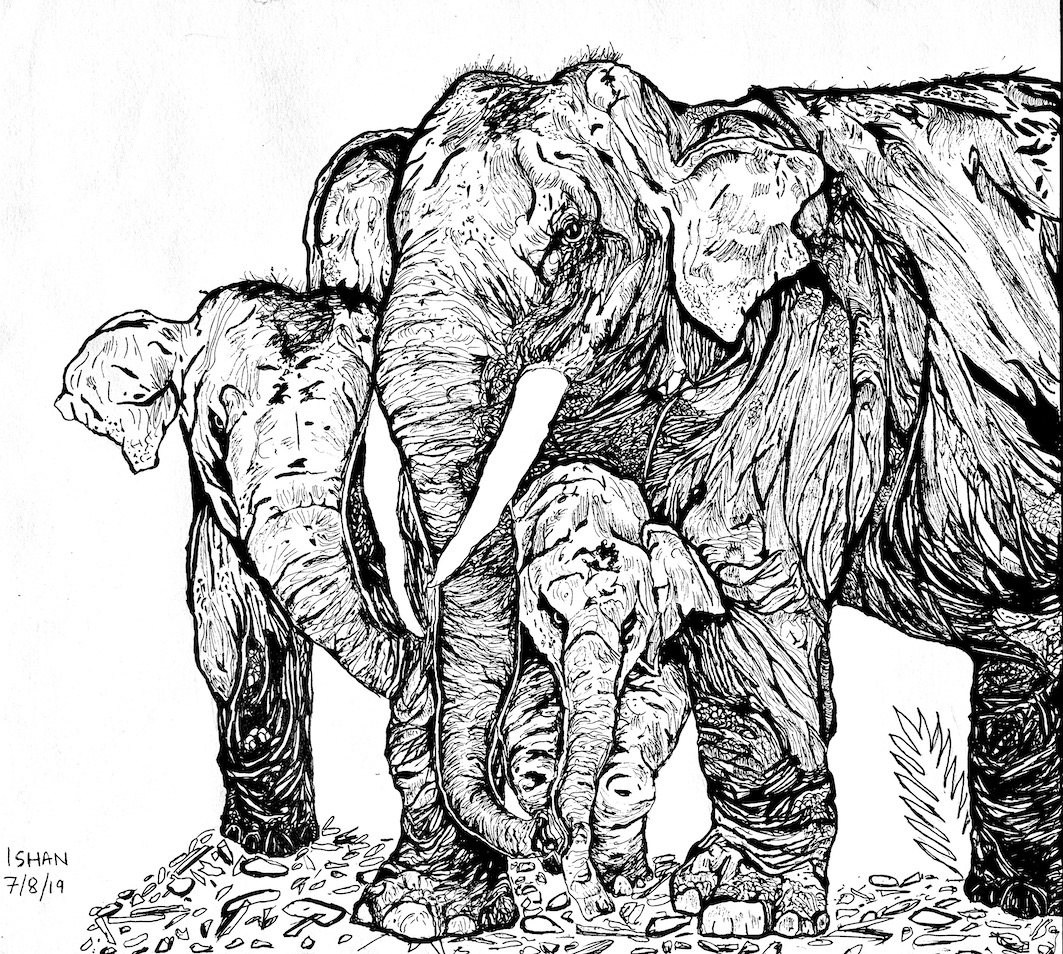
- Productive Downtime: Instead of taking a break (or procrastinating), try doing a smaller task that doesn’t need that much effort. E.g., on the days I didn’t feel like writing, I worked on selecting the images and working on the illustrations (yes, I am illustrating the book!)
- Just Sit Your Ass In The Chair And WRITE: You might have big plans to write, and that’s great. But nothing is reality until you actually create something. Ambition must be converted into reality. There comes a time when you must stop dreaming and TAKE ACTION!
- You Can Do It: Don’t underestimate yourself. If you feel passionate about your project, you will get it done. Passion just works like that. It is a funny thing that no one really understands. But it is very powerful, and it can be your greatest ally.
Subscribe to my Weekly Newsletter
The Owlet
Every Saturday, I share my work along with links about ecology, photography, creativity, and the human condition from across the web directly into your inbox. Join them and get my Wild-India Reading List as a bonus!