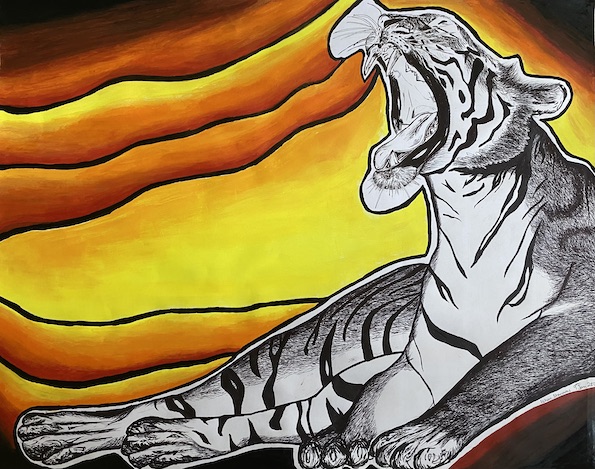
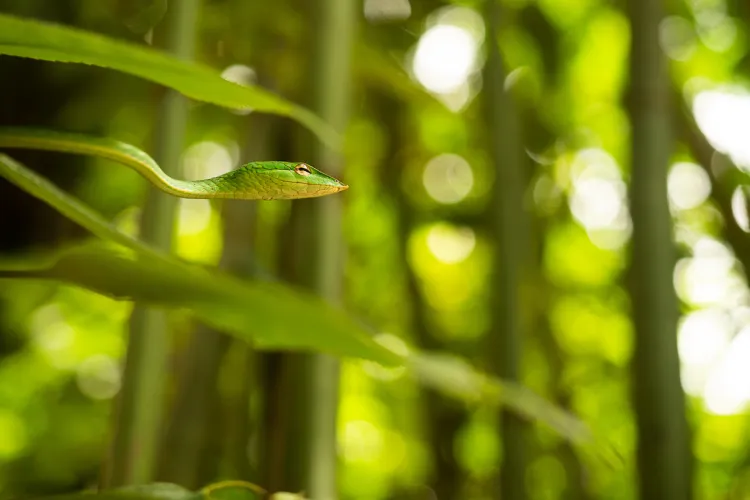
Layers in a photograph allow a static image to convey a story. It provides the viewer with an anchor point to observe the photograph.
The first time I saw layers used effectively was in Steve McCurry’s shot of a beggar in India through a glass window (See it here). This photo uses layers to its best, providing context for the viewer.

Before seeing this image, I assumed layers were only used in landscape photography. But now I realised that it was not restricted to it. So I began to apply it to my photography.
But soon, I found that adding layers to a shot, simply for the sake of it, did little good. With no clear objective, they diverted the observer’s attention away from the subject. If one added layers merely for the sake of it, it lowered the quality of the image instead of enhancing it.

Over time, I noticed that some shots with layers worked better than others. As I analysed them further, I found an underlying pattern in my photography. I began to shoot in a particular technique, which I now term “Layered Narratives”.
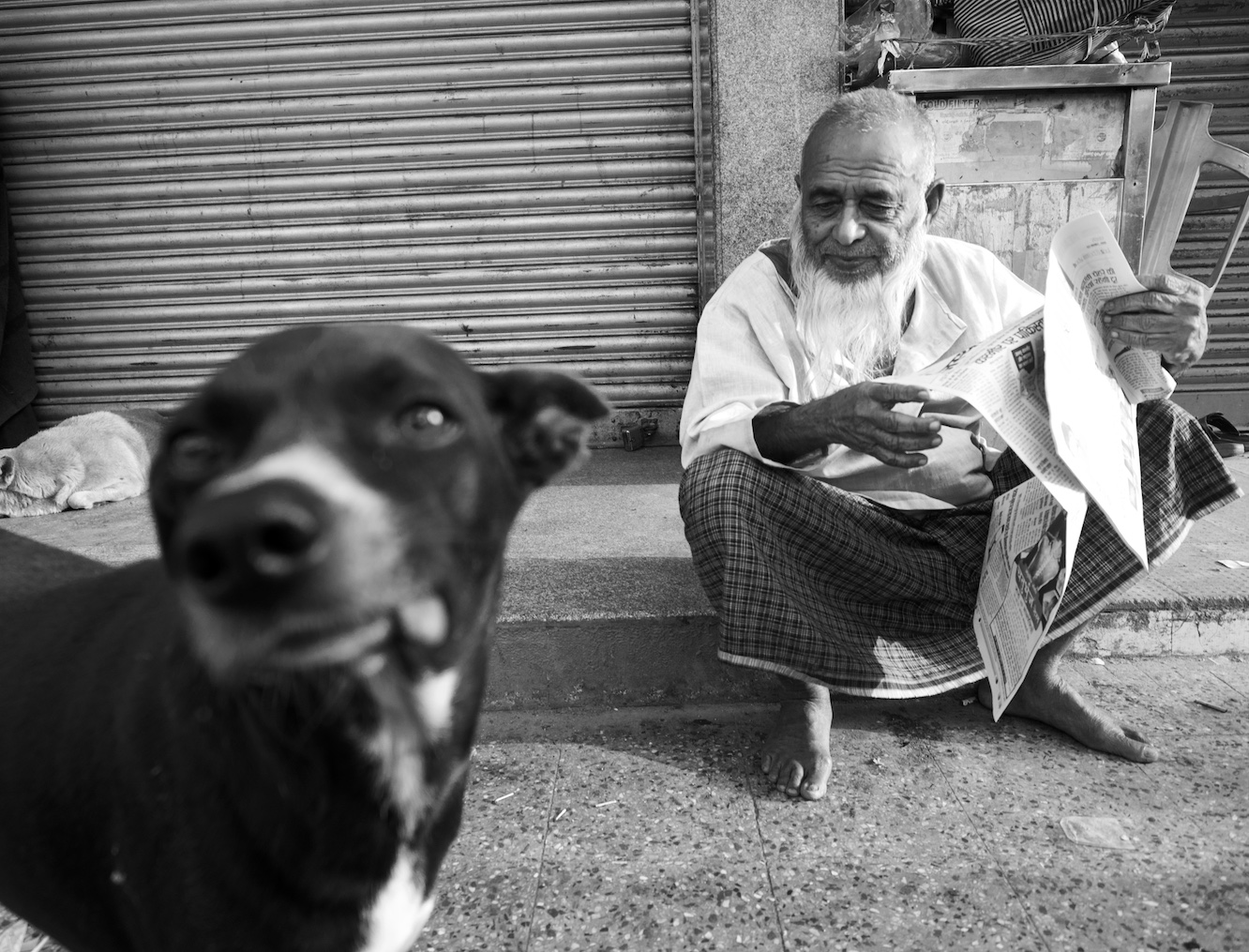
With this technique, I added layers only if they contributed to the story of the image. Before the shot, I’d look around and see if there were objects that added to the story I was capturing. I’d shift my position to get a particular object in the frame. One or two layers were enough; more became a distraction.
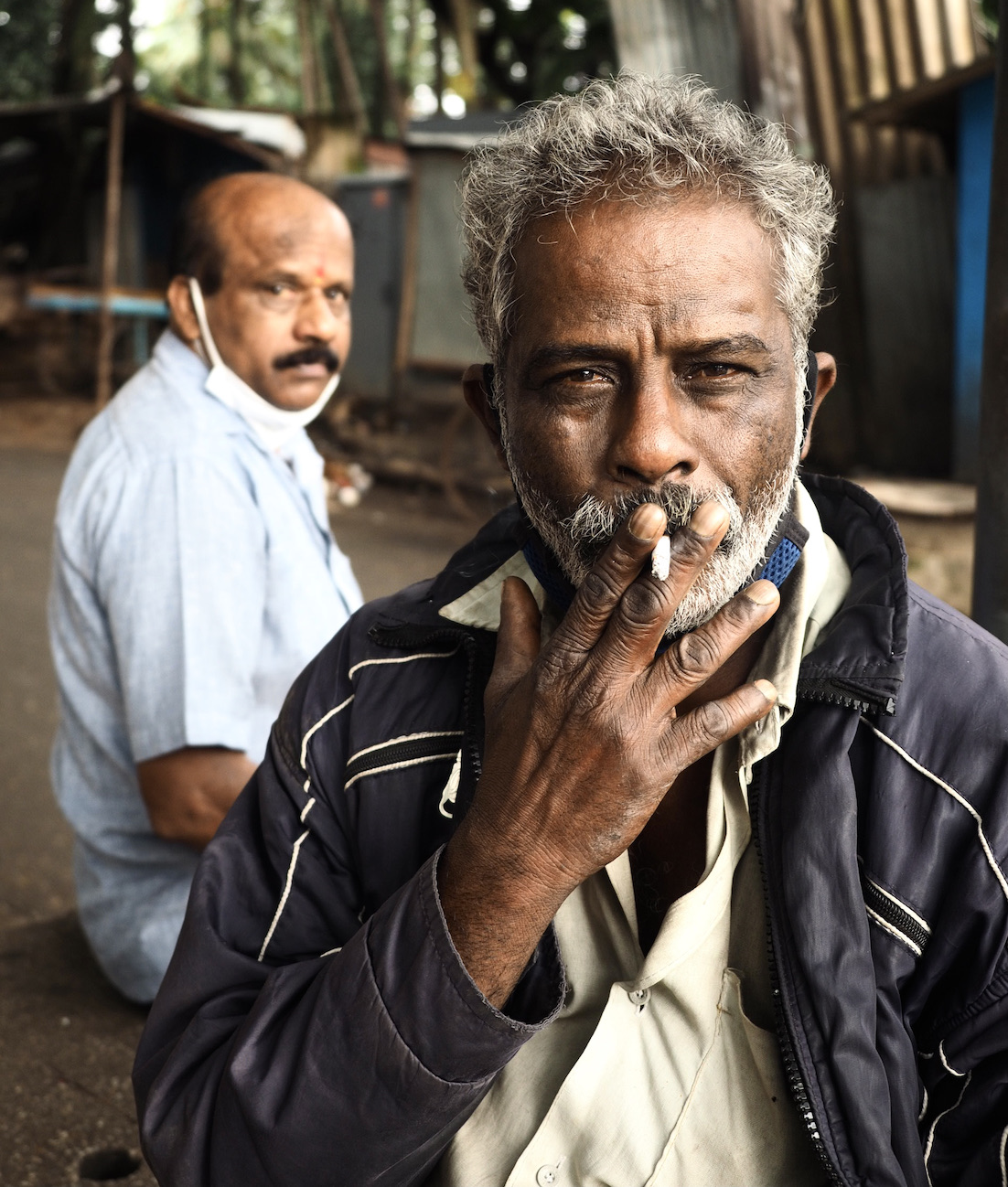
Over time, I found that layers significantly contributed to my photography. Suddenly my images grabbed people’s concentration and held on to it for a while. Be it wildlife or street photography, the quality of my pictures greatly improved. Now, it has become an unconscious part of my photography approach.
These images encapsulate my strategy.
If you found this insightful, please subscribe